You picked a lovely cat bed. Found the perfect corner. Put it down. Your cat inspected it, walked away, and fell asleep in the box it came in.
Before you write off the purchase, try looking at the choice from your cat’s point of view. The box is in a familiar spot. It has sides. And nobody is waiting for them to use it.
A useful starting point isn’t “Which bed looks the cutest?” It’s “What does my cat already choose?” Here’s how to turn that answer into a more thoughtful purchase—and give a new bed a better introduction.
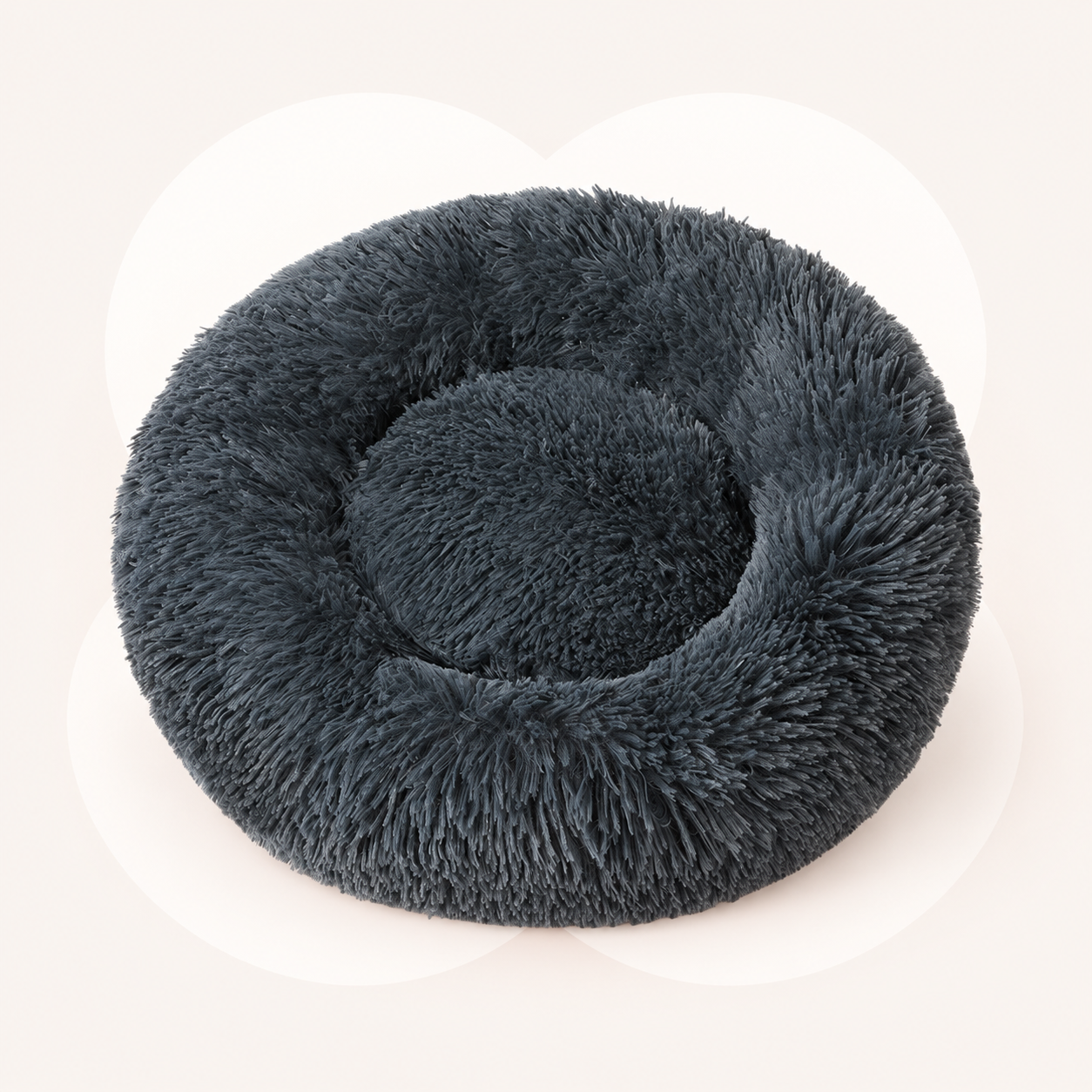
A raised-rim bed is one shape to compare with your cat’s usual resting position.
Start with the nap you already know
Think about where you last found your cat asleep. Curled into a small circle? Stretched across the sofa? Tucked beneath a chair? Use those everyday observations to narrow your options:
For the cat who curls up: consider a round bed with a raised edge, such as the Petory Plush Donut Cat Bed.
For the cat who chooses a tucked-away corner: a partially covered design, like the Plush Shell Hooded Pet Bed, is an option to explore.
For the cat who stretches out: start with an open surface, such as a rectangular pet mat.
These are starting points, not guarantees. Your cat gets the final vote.
Measure the sleeper, not just the space
A bed can fit perfectly beside your sofa and still be an awkward fit for your cat. Measure your cat while they’re resting in their usual position, then compare that with the product’s dimensions. For beds with thick sides, check the usable sleeping area where that measurement is available.
If your cat switches between a tight curl and a full-body stretch, account for both before choosing a size. The goal is enough room for their usual nap—not simply a bed labeled “for cats.” Our cat bed size guide explains outer dimensions and sleeping space.
Try a familiar location first
That beautiful, empty corner may make sense to you. Your cat may already have a different favorite. For the first introduction, place the bed near an existing resting spot. Keep access easy and give your cat room to investigate at their own pace.
If the location gets no interest, try another familiar spot. Change one thing at a time so you can tell what makes a difference. You don’t need to keep lifting your cat into the bed. Let exploring it be their idea.
A blanket can be the smaller first step
Not every sleeping spot needs a whole new bed. If your cat already has a favorite sofa cushion or chair, you could start with a blanket there. The Petory Reversible Fleece Pet Blanket has a ribbed side and a fluffy reverse, comes in three sizes, and is washable.
It’s a way to add a soft layer without changing the shape of a spot your cat already uses. Check the care instructions before washing, and choose a size that suits the surface. For beds, our cleaning guide explains the difference between washable, removable-cover and spot-clean designs.
Buy for the routine, then choose the look
Color and shape matter when a bed becomes part of your home. But start with the practical questions: Does your cat curl up or stretch out? Do they choose an open cushion or a sheltered corner? Will the size suit them? Is the care routine manageable for you?
Then pick the design you enjoy seeing every day. Your cat may still claim the cardboard box. Keep it around while they investigate the new arrival. A good cat bed doesn’t need to win on the first afternoon. Give it a thoughtful place in your home—and a chance to become part of your cat’s routine.
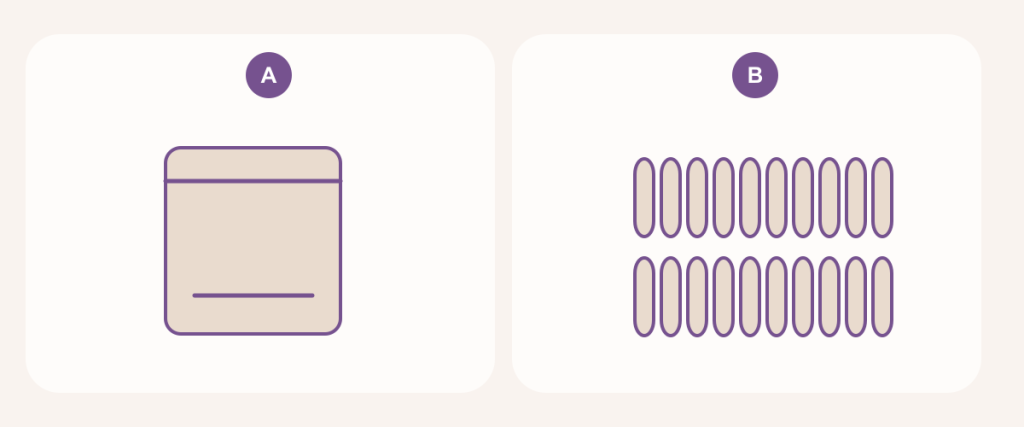
This is a DIY bead-material kit for people, not an assembled ornament or a cat or dog toy. Cat A–E and Dog A–C provide eight options, each with four animal designs. Finished-piece photos show the assembly result; check the chosen option and contents rather than assuming every pictured animal is included.
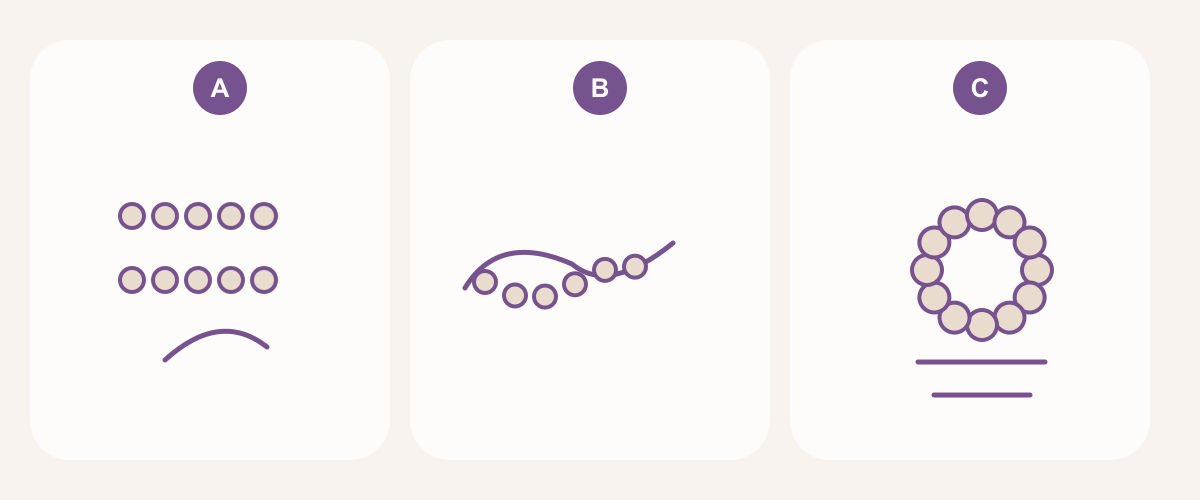
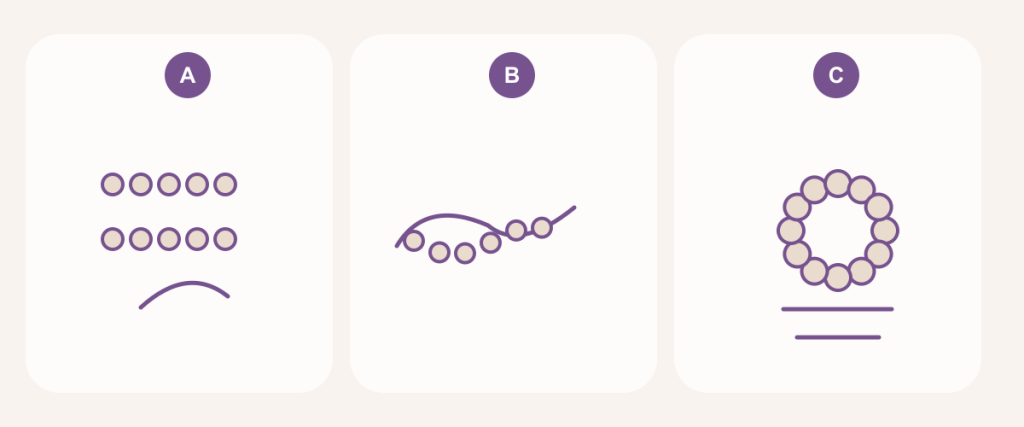
A: materials; B: assembly following instructions; C: a craft display piece. Generic process diagram, not exact bead count, finished shape or children’s age suitability.
Package about 21× 13× 4 cm (about 1.57 in). Supplied as materials requiring assembly.
Package exterior is not each finished figure’s size. Finished dimensions, bead counts, assembly time, difficulty and age suitability are not stated.
Checks before buying or using
Choose cat or dog, then the exact lettered option. Compare the selected option with its designs.
Ask for its material list and whether tools and instructions are included. Needles, thread, spare beads and tutorial language are not assumed to be supplied.
Count materials in a workspace separated from pets; store small beads and string securely. Craft materials are not objects for pet chewing or play.
Assemble using the supplied instructions. Do not estimate finished size or working time from photos; keep completed pieces and leftovers out of pets’ reach.
Narrow the choice by purpose
For a gift, distinguish someone wanting to make an item from someone wanting a ready-to-display ornament. A kit serves the making activity, but the listing does not establish children’s age suitability, beginner difficulty or a completion time. For real pet interaction, see the toy guide; a pet theme does not mean pet use.
Common questions
Will the photographed finished figures arrive assembled?
No. The listing specifies materials for self-assembly; photos show the finished effect.
Does one purchase include all eight options?
No. Select one option, with four animal designs.
Can it be used as a cat toy?
No. Its stated purpose is bead crafting by people, not pet play.
Sources: product information checked on October 13,2026; see product links. Prepared by Petory with AI-assisted writing and translation, without independent product testing. Centimetres are source specifications; inch conversions use1 in=2.54 cm and are rounded to two decimals.
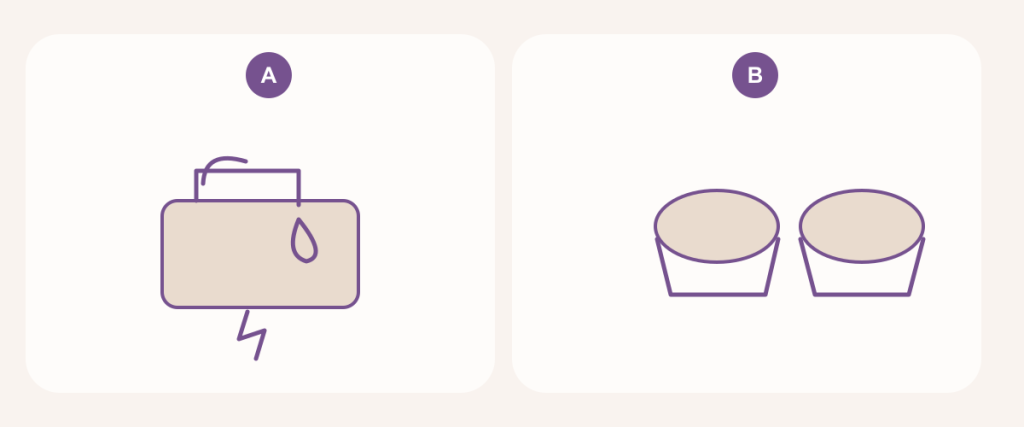
This Ishtar product is sold by the pack:20 tubes,16 g each,320 g total, all in the chosen flavour. Cart quantity is not the number of individual tubes: quantity 2 means two packs and 40 tubes. Choose flavour and pack count, then check complete food and storage labels before use.
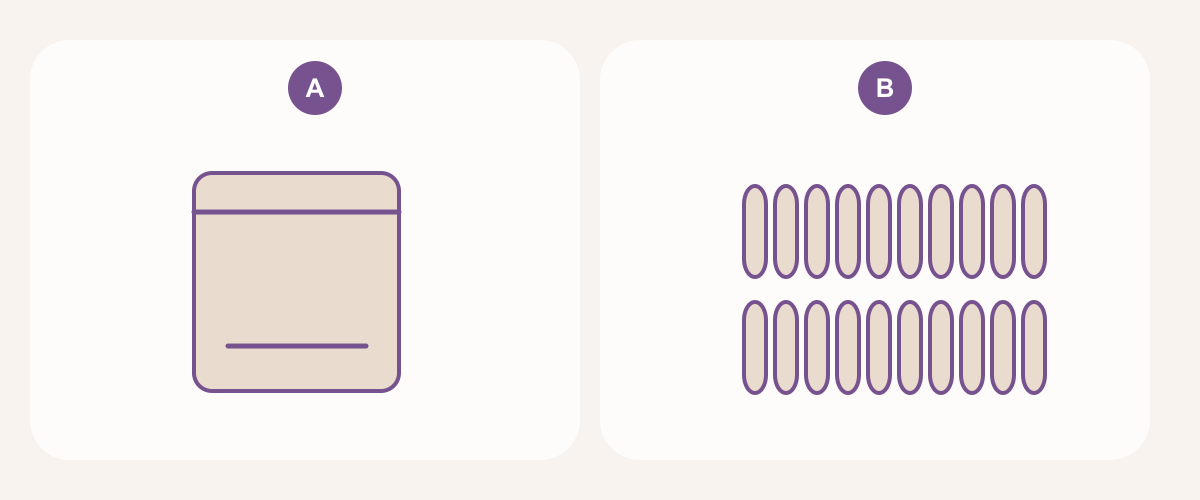
A: one pack; B:20 tubes inside.16 g per tube and320 g per pack are listed net weights. Packaging diagram, not feeding guidance or product photography.
Five flavours: chicken and egg yolk; cod and roe; tuna and roe; salmon and roe; abalone and beef. One flavour per pack.
Flavour names are not full ingredient lists or ingredient percentages. Complete ingredients, nutritional analysis, calories and post-opening storage periods are not supplied on the current page.
Checks before buying or using
Confirm the selected flavour; a mixed-flavour photograph does not establish a mixed pack. Check options and pack counts separately for several flavours.
Calculate the cart by packs. On arrival, check packs, tubes, net content and labels. Pack weight is not a serving size.
Check dates, seals, full ingredients and feeding instructions before use. Ask about missing information rather than inventing a formula from the title.
Follow the actual label for storage and opened tubes; do not invent a refrigeration period. Confirm suitability before use for a cat needing a specific diet.
Narrow the choice by purpose
20× 16=320 g checks pack net weight; it cannot calculate calories or daily tubes. This guide covers quantities and label checks, without converting picky-cat marketing into treatment, complete-nutrition or acceptance claims. Obtain the selected flavour’s full label before assessing its ingredients.
Common questions
Does cart quantity 1 mean one tube or one pack?
One pack:20 tubes and 320 g total.
Does each pack contain all five flavours?
No. The current description specifies the same selected flavour throughout each pack.
Can pack weight set the daily number of tubes?
No. Calories, product feeding instructions and the cat’s circumstances are also needed; pack weight alone does not specify a daily portion.
Sources: product information checked on October 13,2026; see product links. Prepared by Petory with AI-assisted writing and translation, without independent product testing. Centimetres are source specifications; inch conversions use1 in=2.54 cm and are rounded to two decimals.
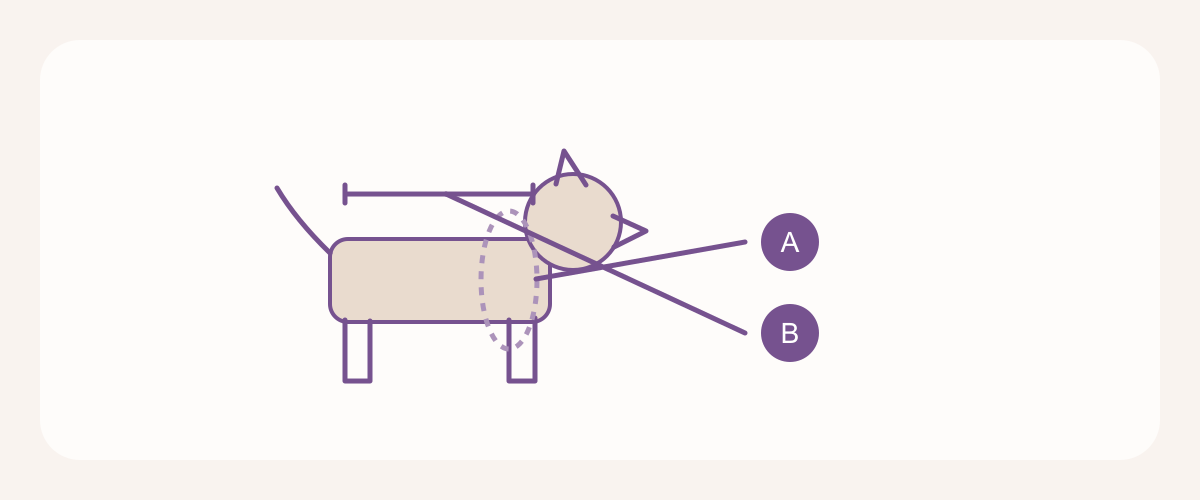
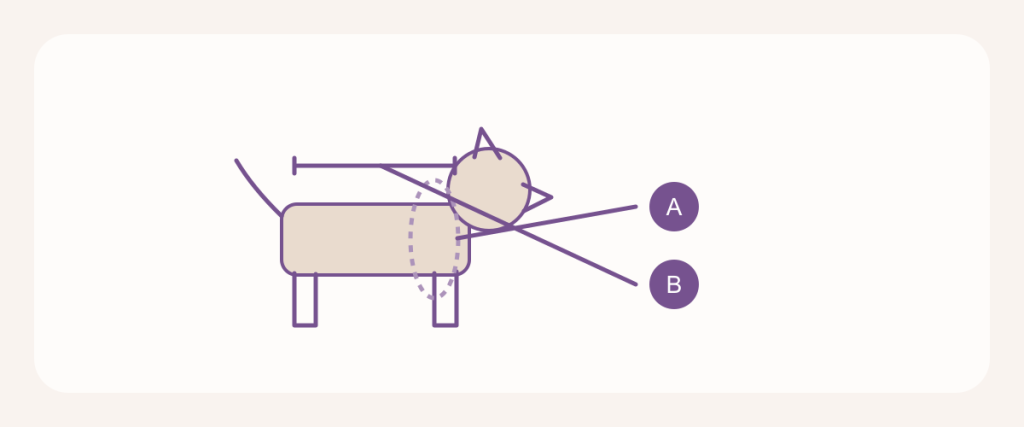
Check chest and back length before size letters or weight references. An M in one style is not the same measurement as an M in another. Confirm missing dimensions before ordering, and do not assume a garment’s ring establishes leading capability.
A: chest circumference; B: back-length direction. Generic measuring diagram; confirm exact endpoints and movement allowance in the selected garment’s instructions.
Christmas hat or bib 295: each option contains one hat or one bib, not a combined outfit.
Only weight references are supplied, without head or neck measurements; do not infer fit or obstruct vision and movement.
Checks before buying or using
When the pet accepts handling, record chest and back length at the locations specified for the garment; do not pull its body into position.
Compare each chart separately. A circumference range, a single value and a weight reference are different information; do not transfer size letters between styles.
Check neck and leg openings, zips or snaps and leading openings against movement and dressing needs. A decorative ring is not automatically a lead attachment.
Confirm colour, size and contents on arrival, then observe fit briefly. Pause wearing if the pet resists or movement is restricted.
Narrow the choice by purpose
Style 353 lists M at chest 42 cm (about 16.54 in) and back 22.5 cm (about 8.86 in); style 401 lists M at chest 36–38 cm (about 14.17–14.96 in) and back 25 cm (about 9.84 in). The same size letter therefore differs in both measurements. The tables below retain each style’s complete published chart; other styles still require separate confirmation.
Chevron padded vest
Size
Chest
Back length
S
36 cm (about 14.17 in)
20 cm (about 7.87 in)
M
42 cm (about 16.54 in)
22.5 cm (about 8.86 in)
L
46 cm (about 18.11 in)
28 cm (about 11.02 in)
XL
50 cm (about 19.69 in)
32 cm (about 12.60 in)
2XL
54 cm (about 21.26 in)
37.5 cm (about 14.76 in)
3XL
58 cm (about 22.83 in)
43 cm (about 16.93 in)
4XL
68 cm (about 26.77 in)
46 cm (about 18.11 in)
5XL
78 cm (about 30.71 in)
50 cm (about 19.69 in)
Reversible vest
Size
Chest
Back length
S
30–32 cm (about 11.81–12.60 in)
20 cm (about 7.87 in)
M
36–38 cm (about 14.17–14.96 in)
25 cm (about 9.84 in)
L
43–45 cm (about 16.93–17.72 in)
30 cm (about 11.81 in)
XL
48–50 cm (about 18.90–19.69 in)
35 cm (about 13.78 in)
2XL
54–56 cm (about 21.26–22.05 in)
40 cm (about 15.75 in)
Common questions
Is body weight enough to choose clothing?
No. Styles 306 and 454 lack verified circumference data; weight or breed cannot fill those gaps.
Does the reversible vest include two garments?
No. Style 401 includes one reversible vest and one storage bag.
Does the Christmas photo’s hat-and-bib combination come together?
No. Style 295 options are sold separately as one hat or one bib.
Sources: product information checked on October 13,2026; see product links. Prepared by Petory with AI-assisted writing and translation, without independent product testing. Centimetres are source specifications; inch conversions use1 in=2.54 cm and are rounded to two decimals.
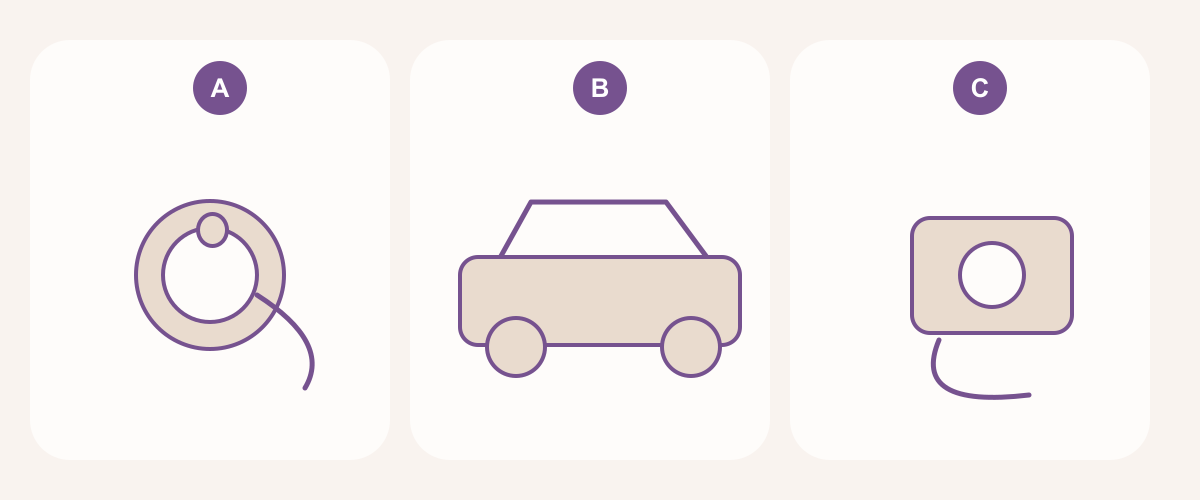
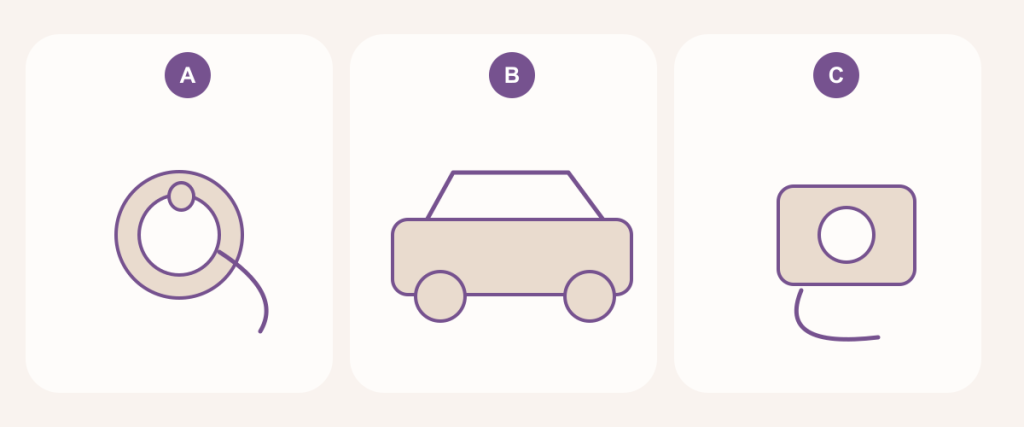
Separate cat wear, dog walking, car resting and recording before choosing gear. Collar fit does not establish safety features; straps do not prove crash protection; recording does not mean location tracking. Check purpose, measured neck size, space and connections individually.
A: collar and lead connection; B: car resting space; C: recording. Generic function diagram, not certification, tracking or product scale.
Padded dog collar: M 38–44 cm (about 14.96–17.32 in), L 44–52 cm (about 17.32–20.47 in), XL 50–60 cm (about 19.69–23.62 in) neck range; width 3.8 cm (about 1.50 in). Adjustable with buckle and lead ring.
Use actual dog neck measurements; a dog buckle is not evidence of a cat breakaway mechanism.
Velvet cat collar: neck 18–30 cm (about 7.09–11.81 in), width 1 cm (about 0.39 in). Four detachable-bow styles with bells; two plain styles without bow or bell.
Release under snagging force is not confirmed; clarify it before deciding the wearing purpose.
Velvet collar-and-lead set: XS 20–30 cm (about 7.87–11.81 in), S 30–40 cm (about 11.81–15.75 in), M 35–50 cm (about 13.78–19.69 in), L 40–60 cm (about 15.75–23.62 in) neck ranges. Includes collar and matching lead.
Ranges describe collar fit; lead length is not specified.
Corduroy bow collar: S 28–44 cm (about 11.02–17.32 in), M 36–56 cm (about 14.17–22.05 in), L 42–68 cm (about 16.54–26.77 in) neck ranges. Collar alone or two-piece set; set lead 150 cm (about 59.06 in). Manual neck measurement tolerance about±2 cm (about ±0.79 in).
The collar-only option has no lead; set photographs do not establish what an option includes.
Black pet-view camera kit:1080p,32GB card, camera, charging and data cables, silicone collar. Body about 6.4× 3.2× 2.9 cm (about 1.14 in); stated runtime 2–3 hours, varying with recording mode.
Weight, collar fit range, water rating and tracking are not given; confirm wearing load and fit.
Checks before buying or using
Record species and purpose. Measure the neck and check adjustment range, width, buckle and ring rather than choosing by breed.
For cats, confirm breakaway construction. Cats Protection recommends quick-release collars; that function is unconfirmed for the listed cat collar.
Before dog walking, check clasp-to-ring compatibility and condition. A clothing ring also needs confirmation that it is intended for leading.
Check seat and resting space for a car bed. Follow vehicle and transport-equipment instructions for restraint; a resting bed is not a verified transport restraint.
Check camera weight, fit and instructions first, then observe movement while worn. Resolution and runtime do not establish suitability for all-day wear.
Narrow the choice by purpose
Review colour, size and package contents together. Collar-only options, collar-and-lead sets and camera kits contain different items. Confirm missing fit, buckle, certification and connection details before use; product photos are not test reports.
Sources: product information checked on October 13,2026; see product links. Prepared by Petory with AI-assisted writing and translation, without independent product testing. Centimetres are source specifications; inch conversions use1 in=2.54 cm and are rounded to two decimals.
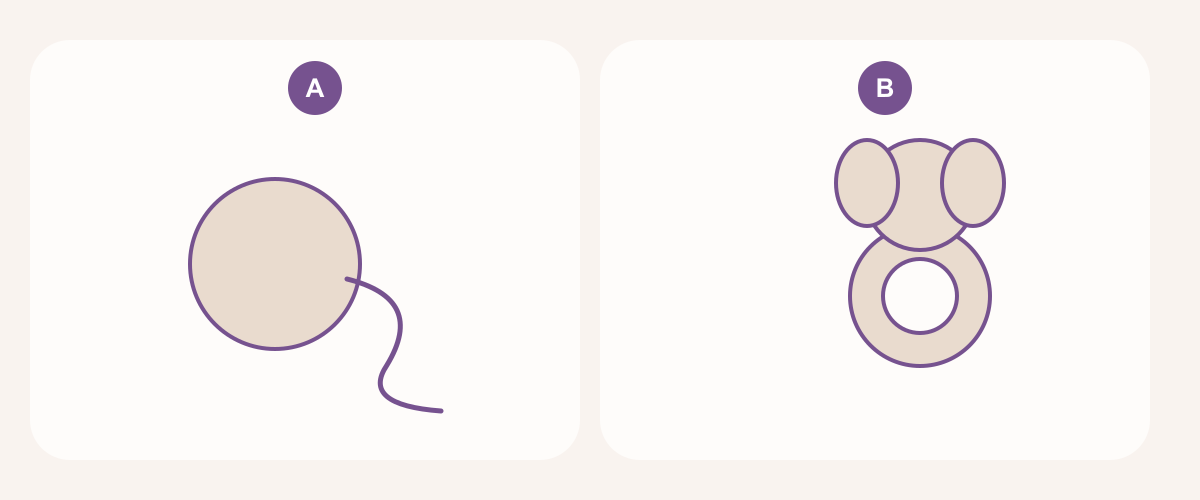
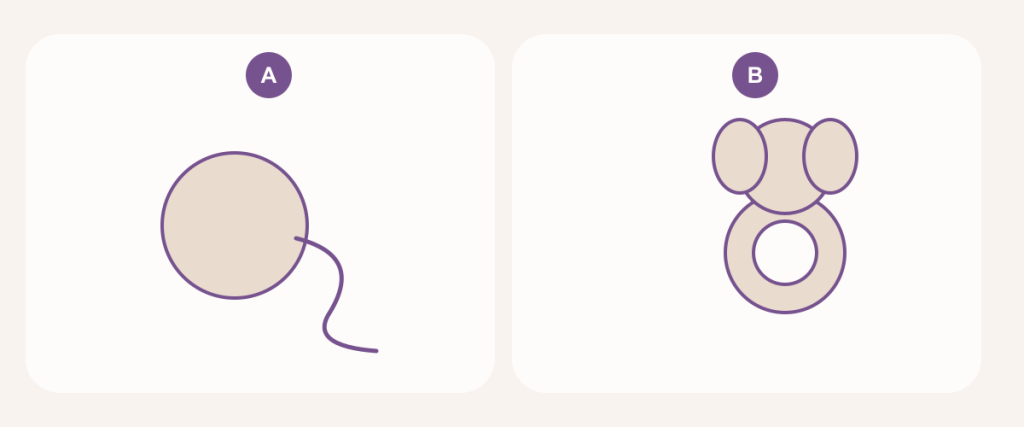
Choose by the intended animal and interaction, then check the category name. The rope-tail ball is described for cat play; the fabric animal tug ring is described for dogs. Check cords, seams and detachable parts before play. A pet-toy category alone does not establish suitability for every cat or dog.
A: chase play with a ball and rope tail; B: a braided dog tug ring. Generic construction diagram, not chew testing or actual product proportions.
Textured ball with braided rope tail, wake-up version, six colours. Gray version has gray rope. Net weight about 57 g; gross weight about 75 g.
Ball diameter, battery, charging method, water-resistance rating, noise and runtime are not documented. The word smart does not establish those features.
Fabric animal head with braided tug ring and crinkly ears. Fox: height 26 cm (about 10.24 in), ear span 13 cm (about 5.12 in); elephant: height 22 cm (about 8.66 in), span 18 cm (about 7.09 in); rabbit: height 25 cm (about 9.84 in), span 26 cm (about 10.24 in). Ring diameter 15 cm (about 5.91 in) for all three.
One selected toy per purchase, not a three-toy set. No chew testing, load rating or indestructibility is established; its stated use is dog interaction.
Checks before buying or using
Identify cat or dog, then chase play or tug interaction. A dog item in a toy category is not automatically a cat recommendation.
Check the delivered variant and quantity. Inspect the ball, rope, braided ring, fabric and seams; pause use if anything is loose or damaged.
Use powered features according to the instructions. If battery or care details are missing, confirm them instead of assuming charging, immersion or unattended operation.
Join the play session and put away parts that can tangle or be torn off and swallowed. Recheck wear instead of assuming a fixed safe lifespan.
Narrow the choice by purpose
Cats Protection advises against leaving cats unattended with toys they could shred, swallow or become tangled in. Dimensions and construction are checks, not evidence of acceptance or durability. Cat-and-dog themed craft supplies belong in the bead-kit guide; loose craft beads are not cat toys.
Sources: product information checked on October 13,2026; see product links. Prepared by Petory with AI-assisted writing and translation, without independent product testing. Centimetres are source specifications; inch conversions use1 in=2.54 cm and are rounded to two decimals.
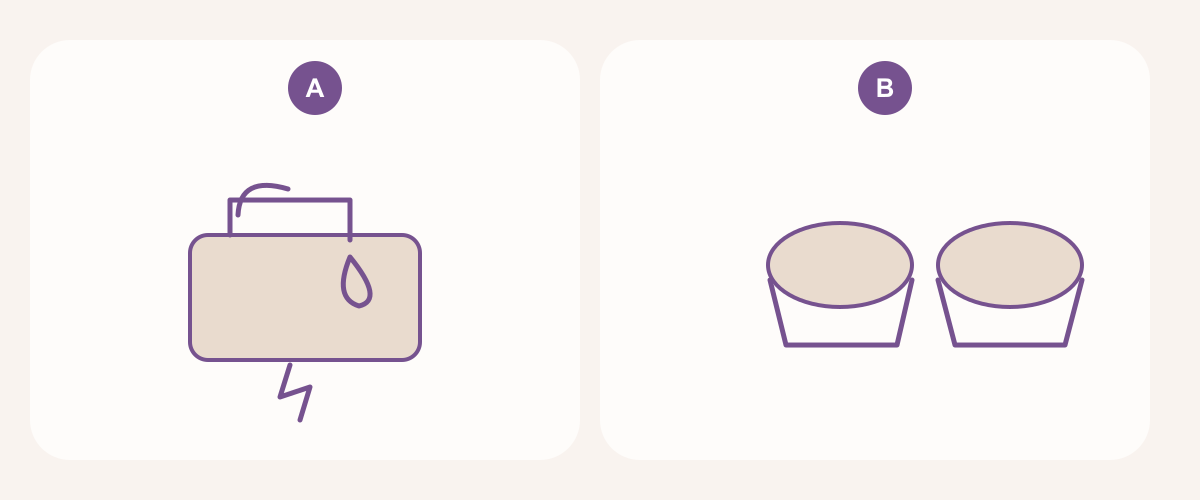
Circulating water at home and holding water during an outing are different jobs. The TY 09 needs USB power and component care; the folding double bowl packs away but does not circulate water. Start with location, power and storage space, then check capacity, supplied parts and maintenance instructions.
A: powered water circulation at home; B: folding bowls for outings. Generic use diagram, not product photography or a scale drawing.
TY 09 base model: 2.2 L (74.39 US fl oz), 304 stainless steel, USB powered, no power adapter. Body width about 17.9 cm (about 7.05 in); tank height 11.8 cm (about 4.65 in); outlet height 8.2 cm (about 3.23 in); total height 20 cm (about 7.87 in).
The body detaches for cleaning. Included: filter, filter cotton, pump, outlet, manual, USB cable and brush. Pump electrical requirements, filter replacement intervals and measured noise are not listed.
Silicone double bowl with zipped case and clip. Packed size about 11× 11× 4.5 cm (about 1.77 in), weight about 135 g; separate compartments for food and water.
Open dimensions, bowl capacities and specific washing settings are not listed. Case dimensions do not establish water capacity or bowl depth.
Checks before buying or using
Choose the setting first: a fixed indoor spot or temporary use while travelling. A portable bowl and an electric fountain perform different functions.
Measure the available space. Include the outlet in fountain height;11× 11× 4.5 cm (about 1.77 in) describes only the folded bowl case.
Read the fountain manual before setup and confirm USB power and adapter requirements. A power adapter is not included; do not assume any USB adapter is suitable.
Check maintenance separately for the detachable body, filters, pump and powered parts. Confirm unspecified methods and intervals; do not immerse electrical components together with the body.
Narrow the choice by purpose
The 2.2 L figure is tank capacity, not a promised number of days or a daily drinking target. Check remaining water and its condition rather than assuming a maintenance-free period. For continuous circulation, assess power and care requirements. For outings, confirm that the open bowls hold enough for your intended use.
Common questions
Does the TY 09 include a power adapter?
No. It is USB powered and includes a USB cable; confirm required power specifications in its manual.
Are packed dimensions the same as open dimensions?
No. Only the folded exterior is documented; capacity and depth of each open bowl are not given.
How often should the filter be replaced?
The current information does not state an interval. Check the model’s manual and usage conditions; this guide does not invent a schedule.
Sources: product information checked on October 13,2026; see product links. Prepared by Petory with AI-assisted writing and translation, without independent product testing. Centimetres are source specifications; inch conversions use1 in=2.54 cm and are rounded to two decimals.
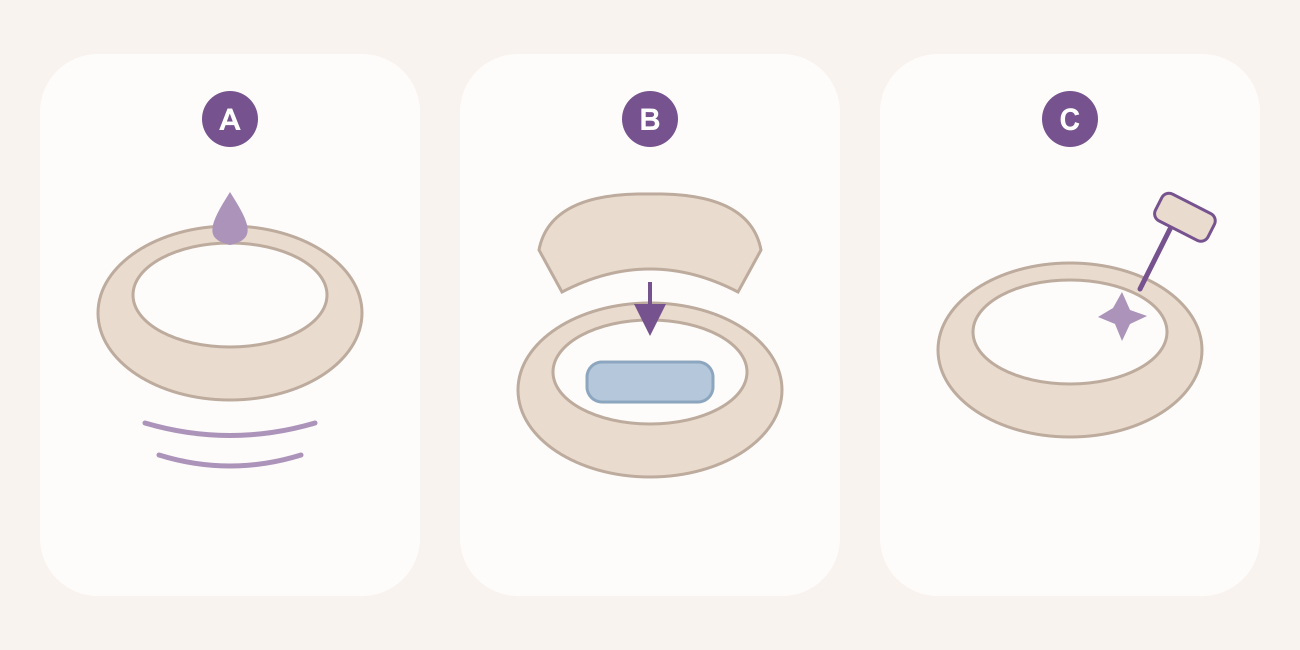
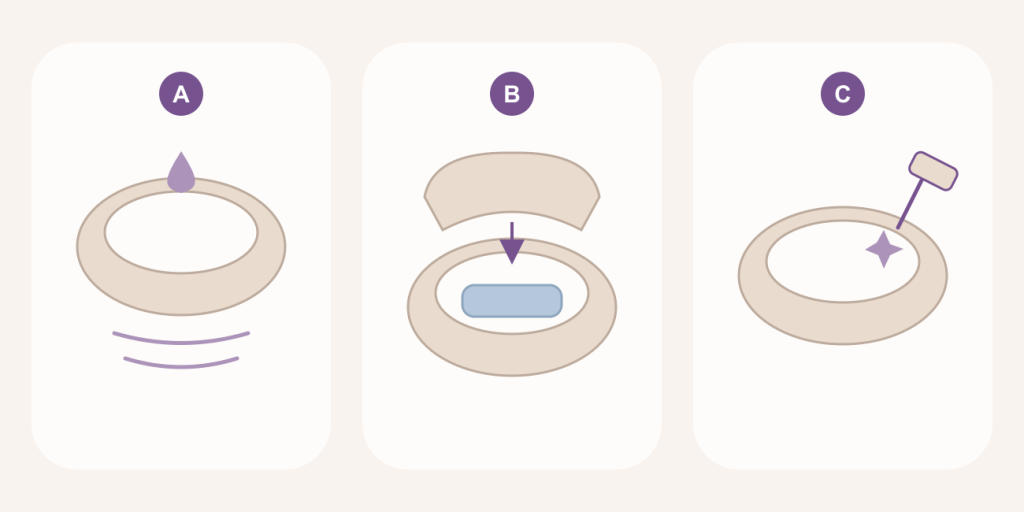
To clean a cat bed, first identify which part its care instructions allow you to clean. “Washable” does not confirm machine washing; a washable removable cover does not make the insert washable; spot cleaning does not mean soaking the whole bed. Remove loose hair, check the label and component instructions, follow the confirmed method, and let everything dry fully before use.
A: whole bed; B: cover and insert separated; C: spot cleaning. This illustrates care scopes, not permission to use every method on every bed. Follow the particular item’s instructions.
Washable, removable washable cover or spot clean?
Beds with similar plush surfaces can contain different fillings, foam or supporting structures. Choose the method for the particular product and component, rather than judging by the fabric name alone.
What each care statement confirms—and what it leaves open
Statement
Confirmed scope
Not established by that statement
Washable
The listing permits washing with water.
Machine washing, temperature, spin cycle or tumble drying.
Remove the insert before washing the cover
The detached cover is washable.
Soaking the insert or putting the whole bed in a washing machine.
Remove hair and spot clean
Remove hair regularly, clean affected areas and let them dry.
Washing, soaking or machine washing the entire bed.
Care comparison: current Petory beds, mats and blankets
This comparison uses Petory’s live product information checked on October 13, 2026. It compares documented care instructions, without a cleaning test. Unspecified settings remain unconfirmed; also check the care label supplied with your item.
No cleaning method is specified in the current information.
Confirm which parts can be cleaned, whether they detach, and the washing and drying requirements.
The reindeer tunnel bed and picture-frame den and scratcher also have no clear washing instructions. Do not apply another product’s care method to them; distinguish fabric, supporting parts and cardboard scratching surfaces first.
Five checks, from removing hair to drying
Clear the area and remove hair. Let your cat rest elsewhere. Gently remove hair with a tool suitable for the surface. Check seams, zips and fabric; address damage or ask the seller before washing.
Identify the part to clean. Check whether the instructions cover the whole bed, its cover or a local area. Detach only parts designed to come apart. For the memory foam bed, remove the insert; a washable cover does not establish that the whole bed is washable.
Confirm the method and equipment. Check temperature, cleaning product, hand or machine washing, spinning and drying. Ask about missing details instead of borrowing a cycle from another plush item. Once machine washing is confirmed, check appliance capacity against the item’s bulk.
Clean within the confirmed scope. Handle the washable cover separately, or clean only the affected areas when spot cleaning is specified. Follow product and care-label directions for detergent and rinsing so residue is not left on surfaces your cat touches.
Dry fully before reassembling. Check layers, seams and washable parts, rather than only the outer fabric. Use the permitted drying method before putting the bed back together. Without drying approval, do not use high heat to speed things up. If the insert gets wet accidentally, confirm how to handle it.
Cats Protection advises avoiding heavily scented detergents on cat bedding and checking for cats before starting washing machines or dryers. These reminders do not replace the item’s care label.
Missing labels, conflicting instructions or persistent stains
No clear instructions: Record the model, size and affected component, photograph the label or stain, and ask which cleaning methods are permitted. “Polyester,” “plush” and a photograph cannot establish machine washing, soaking or tumble-drying permission.
The listing and supplied label disagree: Pause the disputed cleaning step and ask the seller to confirm the model and batch. This article records the information available on its check date and cannot cover every later change.
A stain or smell remains: Do not keep increasing temperature or detergent concentration, or mask it with fragrance. Ask whether the fabric or filling needs a more specific treatment. If the bed is damaged, the insert stays damp or care cannot be confirmed, pause use and consult the seller.
Common questions about cleaning cat beds
Can every washable cat bed go in the washing machine?
No. Confirm machine-washing permission, cycle, temperature, spinning and drying separately. Several washable Petory products do not currently specify these settings, so this guide does not invent defaults.
Can I wash an entire memory foam cat bed?
The bolster bed in this guide specifies washing the detached cover after removing the insert. Its current information does not confirm that the insert is washable; do not treat it like the cover.
How often should I wash a cat bed?
The checked listings do not set a universal interval. Plan cleaning around loose hair, soiling, dampness and the particular care instructions. Routine hair removal and a complete wash are different tasks; a fixed weekly wash is not a rule for every product.
Can I tumble dry a thick bed on high heat?
First confirm whether tumble drying is permitted and at what temperature. The comparison provides no high-heat approval. Neither “plush” nor “washable” establishes it. Give your cat another dry resting place while the bed dries.
Is a bed with a removable cover always the best choice?
A removable cover makes the separate care tasks clearer, but also check zip access, wash settings, drying space and usable sleeping area. For dimensions, see the cat bed size guide.
Keep these four questions before buying or cleaning
Can you clean the whole bed, the cover or only local areas?
Must the insert be removed, and can it be cleaned separately?
Are hand or machine washing, temperature, spinning and drying instructions complete?
Do you have enough washing and drying space?
Use these questions when browsing cat beds and home accessories. If easier cleaning is your priority, compare the documented care scope before checking size and structure.
Sources: Prepared by Petory’s content team from live product information checked on October 13, 2026; product links appear above. General safety reminders reference the linked Cats Protection guide. AI assisted writing and translation; no product cleaning tests or stain-removal, disinfection or wash-durability verification were performed.
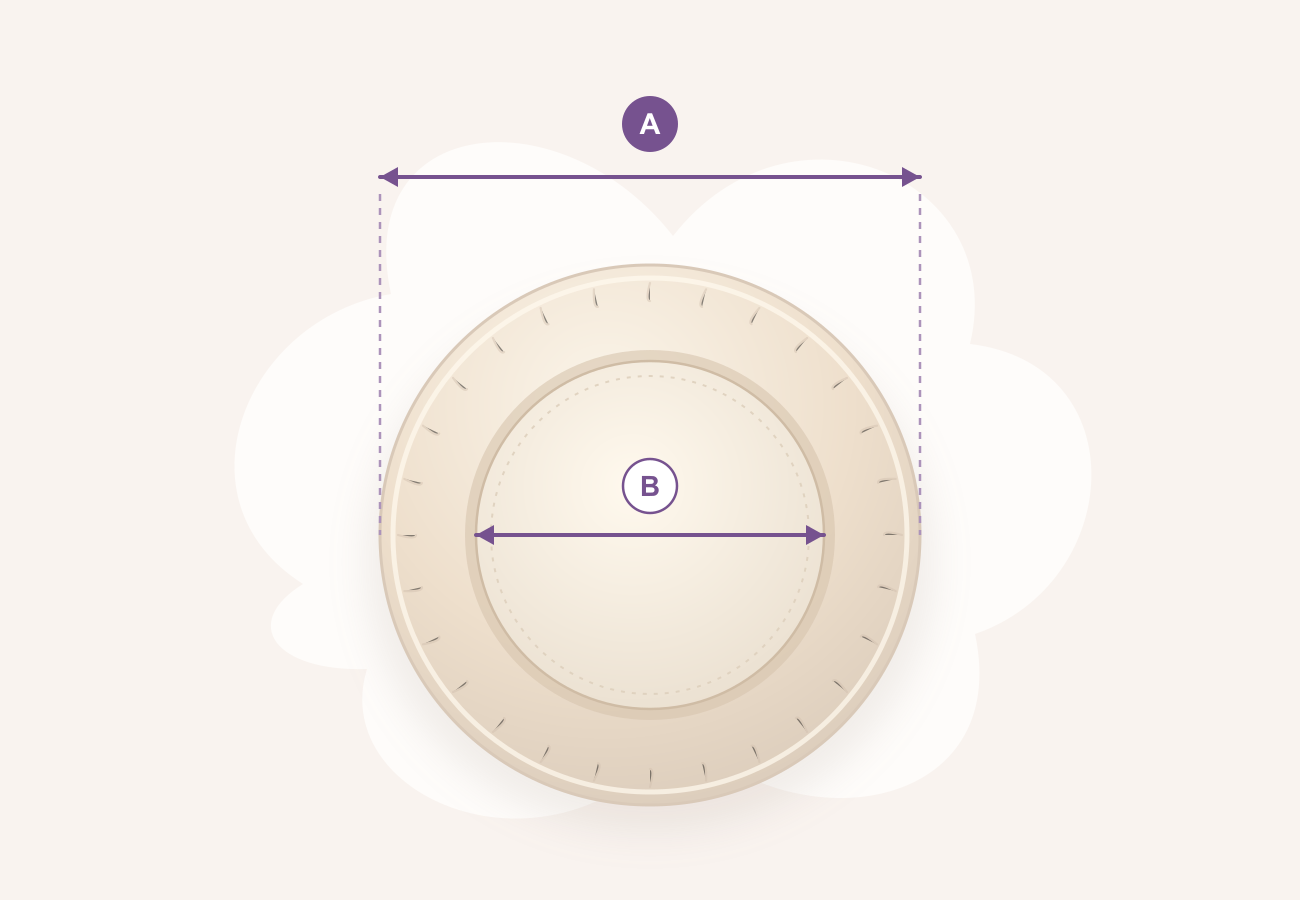
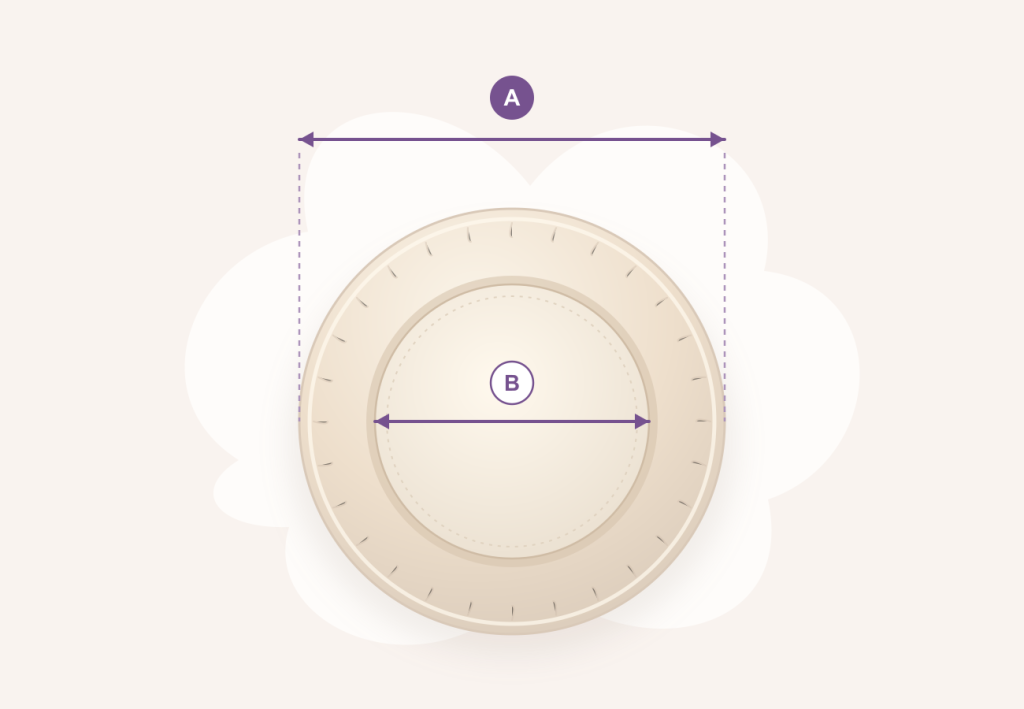
Choose a cat bed by comparing the space your cat occupies while resting with the bed’s usable interior. A label of “50 cm (19.69 in)” may refer to the outer diameter, including the rim, rather than a 50 cm (19.69 in) sleeping area. Check where the measurements were taken, your cat’s usual sleeping position and the care instructions; weight and S/M/L labels are supporting information.
A: outer diameter including the rim. B: usable interior diameter. Generic structural illustration, not measured dimensions of the products in this guide.
Three steps: measure your cat, then the space at home
Start with how your cat actually rests. This method organizes the information needed for a purchase; it is not a veterinary sizing standard and cannot guarantee that a particular size will fit.
Observe the usual sleeping position. Notice whether your cat curls up, lies on its side or stretches out. Do not straighten a sleeping cat to take a measurement.
Measure the resting footprint. After your cat leaves its usual cushion, use a soft tape to estimate the length and width it occupied. Record curled and stretched positions separately. Allow room to turn and change position rather than choosing a space it can only just squeeze into.
Measure the planned location. Check that the bed’s overall dimensions fit on the floor or platform, then check whether its sleeping pad, opening and hood restrict movement. Fitting in the room does not establish that the interior is large enough.
Record four things: curled resting length × width; stretched resting length × width; available space at home; and usable inner length × width or diameter.
If the interior measurement is missing, confirm its location and usable area before deciding. Do not calculate a real inner diameter from the proportions of a product photo.
What do outer, inner and nominal dimensions mean?
First establish what the number measures
Measurement
Meaning
How to use it
Outer diameter / overall length and width
The bed’s outside footprint, including its rim, hood or shell.
Check the space at home; do not treat it as the usable sleeping area.
Inner diameter / usable pad length and width
The interior area in which the cat can actually lie.
Compare it with the resting footprint and consider turning, the opening and sleeping position.
Nominal dimensions
The listed size when the measurement location is not specified.
Confirm whether the number is an outside, inside or other measurement; do not infer an interior area.
Hypothetical example: a round bed with a 50 cm (19.69 in) outer diameter and an 8 cm (3.15 in) rim on each side would have a central diameter of about 50−8−8=34 cm (13.39 in) in this simplified flat model. This explains the measurement convention; it is not a measured result for any product below. Compression of a soft rim can also change the usable space.
Compare dimensions and care instructions for six beds and mats
The table uses current Petory product information, checked on October 12, 2026. It compares published specifications and care instructions; no product or sleep-performance testing was conducted. Dimensions below are shown in centimeters (cm) and inches (in). Centimeter values are the original product specifications; inch equivalents are rounded to two decimal places using 1 in = 2.54 cm. The conversions do not imply more precise measurements. Check each page for the available color and size combinations.
Current Petory beds and mats: measurement conventions and care
S: 50×40×12 cm (19.69×15.75×4.72 in); M: 75×50×16 cm (29.53×19.69×6.30 in); L: 90×65×16 cm (35.43×25.59×6.30 in); XL: 105×75×20 cm (41.34×29.53×7.87 in)
Overall outside length × width × height; inner pad dimensions are not supplied. Beige is not available in M.
Remove the foam core before washing the cover. Core-care instructions are not specified.
Outside dimensions; also check the hood, opening and usable interior.
Remove hair regularly and spot-clean; let it dry before use. Whole-bed washing is not specified.
To narrow the options, compare round beds when examining raised rims; compare the usable length and width of rectangular mats and bolster beds when your cat stretches out; and check the opening and interior of a shell bed when considering a hooded space. These are steps for comparing information, not fixed recommendations for every cat.
How should tunnel beds, scratcher houses and blankets be compared?
Items in the same home category can use different measurement conventions.
The reindeer tunnel bed lists S 55×40 cm (21.65×15.75 in); M 65×40 cm (25.59×15.75 in); L 75×55 cm (29.53×21.65 in); and XL 85×70 cm (33.46×27.56 in), but the exact measurement locations are not stated. These numbers should not be treated as the opening or inner pad dimensions. Confirm the actual space separately if several cats will use it.
The picture-frame scratcher house measures 44 cm (17.32 in) wide × 34 cm (13.39 in) deep × 52 cm (20.47 in) high overall. Overall height, entrance size and lying area are different measurements. A listed weight recommendation does not replace them.
The reversible fleece blanket comes in 50×70 cm (19.69×27.56 in), 71×100 cm (27.95×39.37 in) and 100×145 cm (39.37×57.09 in). Choose according to the area being covered. Its flat surface cannot be compared directly with the interior of a rimmed or hooded bed.
Include cleaning in the size decision
“Washable with water,” “removable washable cover” and “spot-clean” mean different things. A listing that only says washable does not establish suitable machine-washing, spin-cycle or high-temperature drying settings. Check the care label or obtain confirmation.
The memory-foam bolster bed specifies washing the removed cover; the shell bed currently specifies hair removal and spot-cleaning. Do not apply one product’s instructions to every plush bed. Check that your cleaning equipment and drying space can accommodate the selected size.
Is a 50 cm (19.69 in) bed suitable for an adult cat?
The number alone is insufficient. Confirm whether it is an outside, inside or nominal dimension, then compare it with your cat’s resting footprint. A 50 cm (19.69 in) bed with thick sides does not provide a 50 cm (19.69 in) pad.
Can I choose a cat bed by weight alone?
Weight guidance can narrow the options but cannot guarantee fit. Cats of the same weight may differ in build, sleeping position and use. Check usable interior space and the opening too.
Is a larger cat bed always better?
First allow for lying and turning, then consider the space at home, rim and opening. An increase in outer size need not produce the same increase in inner area.
Can every washable cat bed go in a washing machine?
The word washable is not enough to select machine-washing, spinning or drying settings. Follow the product’s care label or confirmed instructions. A washable cover does not establish that its core can be cleaned the same way.
What if the inner diameter is missing?
Confirm the usable pad length and width or diameter, the opening of hooded designs and the measurement locations. Until that information is available, treat fit as unconfirmed; do not guarantee it from a photo or weight table.
What if my cat does not enter a new bed?
Check the space and entrance, then try a familiar resting location. One instance of non-use does not establish that the size or structure is unsuitable, and no design should be promised to suit every cat.
Five checks before ordering
Do the numbers describe the outside, inside or an unspecified nominal size?
Does the usable sleeping area accommodate the usual resting position and turning?
Have you checked the rim, opening, hood and location at home?
How should the whole bed, cover and core each be cleaned?
Have you checked the selected color, size and package contents?
Product information comes from current Petory listings and was last checked on October 12, 2026; the table and text link to the relevant products. Petory prepared this guide with AI-assisted writing and translation. No independent product testing was conducted. The general location advice refers to the linked Cats Protection guide.