
Petory Everyday Guides
How Many Beds Does One Cat Need? Plan Resting Choices First
There is no shopping number in this guide that every single-cat home must reach. Start by counting usable resting choices, including an appropriate familiar blanket or spot the cat already enjoys. Add a bed when it gives the cat a useful option or solves a genuine care-and-access problem.
Blue Cross notes that cats choose where they sleep and may rotate between places. That supports providing choices, not buying an identical bed for every room. The useful question is what a second location would offer your particular cat.
1. Observe favourite places before adding furniture
For a few ordinary days, note where the cat chooses to settle and what is happening nearby. A chair used while you work and a quiet corner used later may serve different purposes. Record access, household movement and the way the cat rests rather than labelling one spot the “correct” bed.
Also note which places become unavailable when a door closes or a chair is occupied. A resting option only counts as useful when the cat can actually reach it. Moving one existing item may solve that problem without increasing the total number of beds.
2. Compare an open spot with a sheltered one
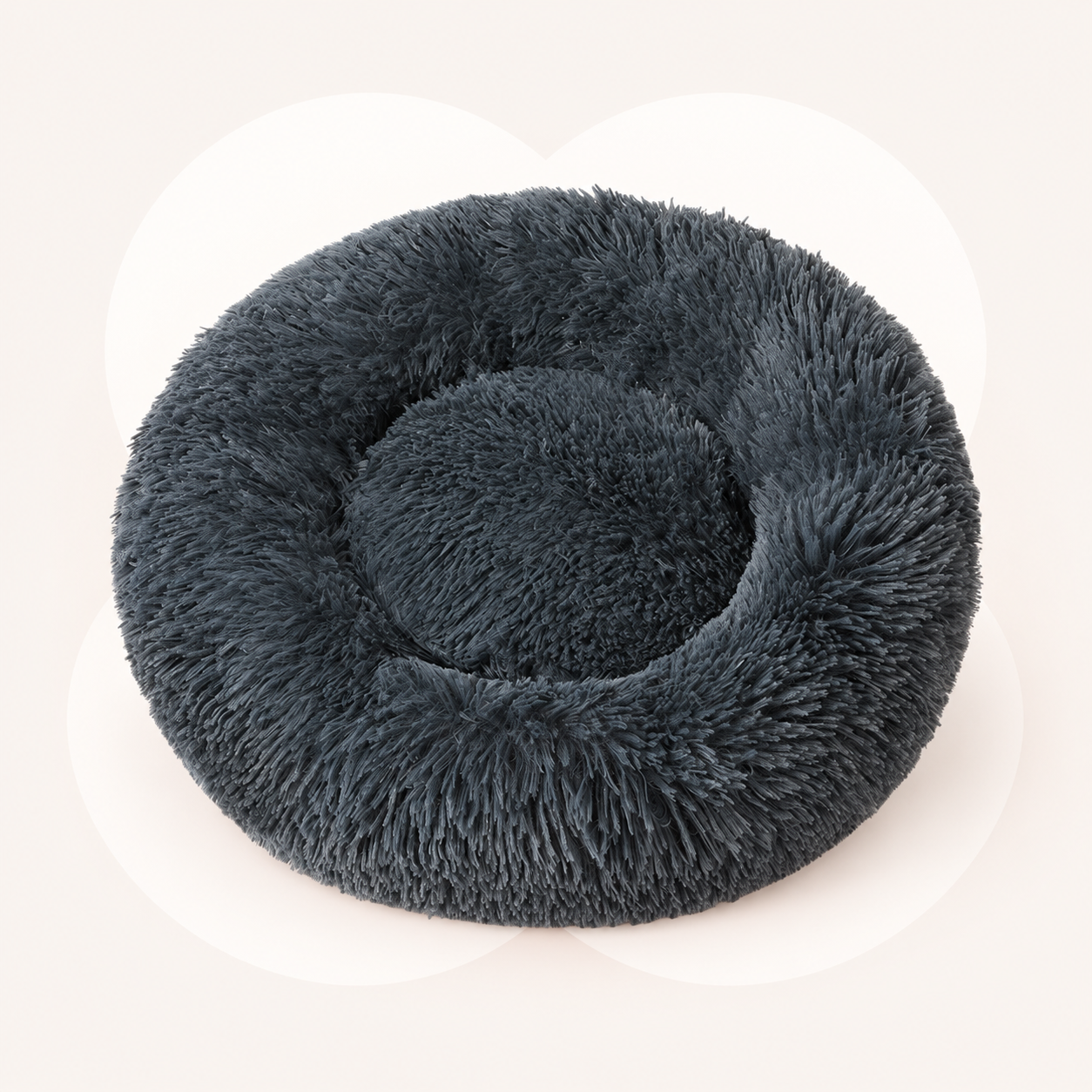
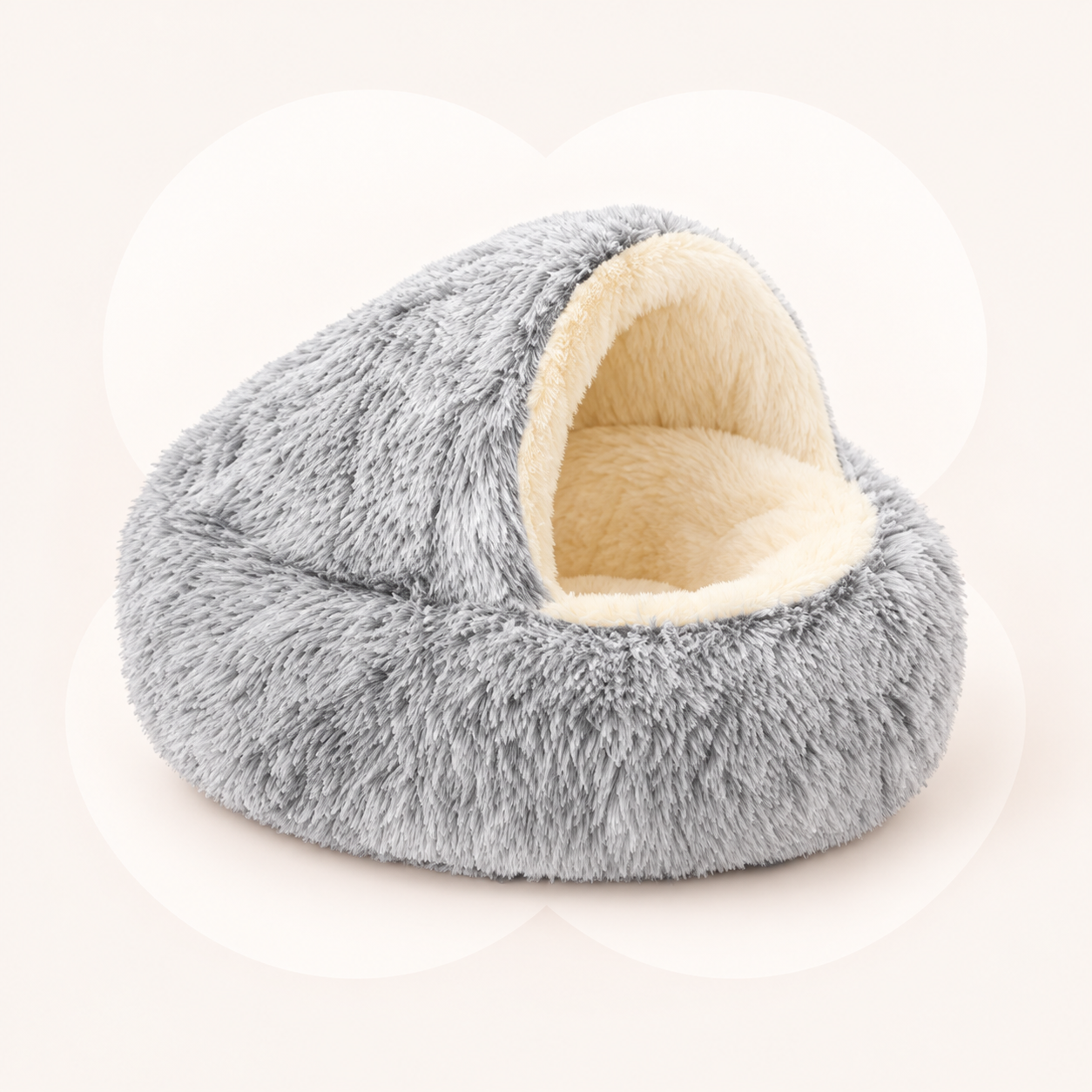
The Plush Donut Cat Bed with Raised Rim has a round, raised rim and a central cushion, with long-pile plush. The Hooded Cat & Small Dog Bed – Plush Shell Design offers a hooded shell design with different lining choices. These give different physical arrangements; neither shape guarantees that an individual cat will prefer it.
Look at your cat's existing choices. A cat that rests with a clear view of the room may use an open option differently from one that chooses a sheltered nook. You can provide variety without filling every spare corner, and you should leave a straightforward entrance and exit for either design.
3. Make a small two-location plan
If another location would help, sketch one familiar resting point and one additional point that offers a different setting. Cats Protection recommends quiet resting areas away from busy activity and noisy appliances. Translate that into the layout you have, rather than copying a styled room photograph.
The second option could be an appropriate blanket on an existing resting surface. If using the Reversible Fleece Pet Blanket – Gray & Washable, choose a size that fits and check that the layer remains stable. A comfortable-looking arrangement should not block the route or create loose fabric that the cat cannot easily leave.
4. Include the cleaning rotation
A second usable resting layer can be practical while the first is being cleaned and dried. This is a maintenance choice, not a rule that every home needs two identical beds. Consider how long your own care routine takes and whether another familiar spot already covers that period.
Keep the product instructions separate. The donut bed listing states water washing and thorough drying; the grey blanket is also listed as water washable. These statements do not establish the same machine cycle or dryer setting for both. Do not hide a damp bed under a dry blanket to put it straight back into service.
5. Check usable space before choosing another size
The donut bed's outer diameters are 40, 50 and 60 cm / 15.75, 19.69 and 23.62 in, including the rim. Those figures help plan floor space but do not provide the exact central sleeping diameter. A larger outside measurement is not the same as a known increase in the area your cat can use.
For a hooded design, also consider entrance clearance and the cat's ability to turn. Compare the current listing and the individual cat rather than relying only on weight, breed labels or an attractive silhouette. Buying another bed of the same poorly matched shape may repeat the original problem.
6. Decide what the next purchase would change
Finish a sentence before ordering: “This gives my cat…” A quiet alternative when the room is busy, a suitable layer during cleaning, or a different open-versus-covered choice are concrete answers. “Another colour of the same thing” may still be a decoration preference, but it should not be confused with a new need.
| Situation | Useful response | Need to buy another bed? |
|---|---|---|
| One familiar spot is available and suitable | Keep observing and maintaining it | Not automatically |
| Preferred area is often blocked or busy | Provide another accessible setting | An existing appropriate item may work |
| Main bedding is being washed | Keep a usable alternative while it dries | A spare layer may be sufficient |
| Another pet joins the household | Review separate resources and access | Reassess the layout for both animals |
Before you decide
- Count existing usable resting choices, not only purchased beds.
- Observe access and sleeping posture before choosing a shape.
- Plan an alternative during washing and drying.
- State the practical purpose of an additional purchase.
Common questions
Does one cat need a bed in every room?
This guide sets no such requirement. Focus on accessible, appropriate choices in the places the cat uses rather than a room-by-room shopping target.
Does a large outer diameter guarantee more sleeping room?
No. Rims, shape and entrance design affect the usable area. Check the product's measurement description instead of treating outside dimensions as internal space.
Should I remove the familiar spot so the cat uses the new bed?
Let the cat choose and review the new bed's location, access and fit. A purchase does not make the familiar resting choice unsuitable merely because it is older.
Products mentioned
Written from published product details checked on October 27, 2026. Individual care and setup instructions still apply.